I’ve watched grown men—athletes who block 100-mph slapshots with their bare ankles—bawl their eyes out on national television. I’ve seen teeth knocked out, ribs cracked, and jerseys shredded. But nothing tests the human psyche quite like the thirty seconds immediately following the final buzzer of a Game 7. The Stanley Cup is the hardest trophy to win in professional sports, bar none. Because of that brutal road, the celebrations that follow are high-stakes, unscripted theater. Here’s the ugly truth: some of these iconic moments are pure gold, while others belong in a cringe compilation. Trust me on this—I’ve spent way too many late nights analyzing the tape.
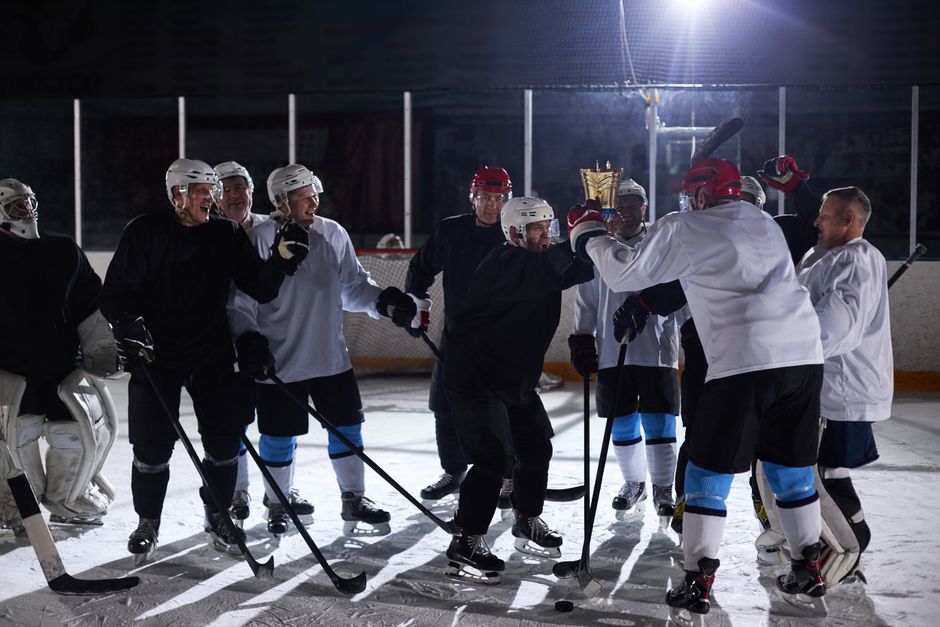
- • The Ray Bourque Standard: Why Shared Hoists Win Every Time
- • The Over-the-Top Pool Dips: When Winning Becomes a PR Stunt
- • Broken Silverware and Battered Tradition
- • Final Verdict: Keep It Raw or Go Home
- ↳ Who is responsible for guarding the Stanley Cup during celebrations?
- ↳ What is the most common damage sustained by the Stanley Cup?
- ↳ Do players get to keep the actual Stanley Cup all summer?
- ↳ Has the Stanley Cup ever been permanently lost or destroyed?
- ↳ Why is the Stanley Cup considered the hardest trophy to win in sports?
Key Takeaways & Quick Overview
AI Verified
- ✔I’ve watched grown men—athletes who block 100-mph slapshots with their bare ankles—bawl their eyes out on national television.
- ✔I’ve seen teeth knocked out, ribs cracked, and jerseys shredded.
- ✔But nothing tests the human psyche quite like the thirty seconds immediately following the final buzzer of a game 7.
- ✔The stanley cup is the hardest trophy to win in professional sports, bar none.
The Ray Bourque Standard: Why Shared Hoists Win Every Time
Let’s talk about 2001. Colorado Avalanche. If you don’t know the story of Ray Bourque, you haven’t paid your dues as a sports fan. The man played twenty-one grueling seasons without a ring. Twenty-one. He was traded to Colorado at the twilight of his career just to get a shot.
When Joe Sakic and the Avs finally closed out the New Jersey Devils, Sakic did something that broke every unwritten rule of hockey protocol. Usually, the captain hoists Lord Stanley first. It’s the law. But Sakic grabbed the Cup, skated directly to Bourque, and handed it to him immediately. That single gesture elevated the entire sequence into sports immortality.
I remember watching the broadcast live, sitting on a worn-out couch with a lukewarm beer. You could feel the collective exhale across the entire hockey world. Bourque didn’t just lift it; he hoisted it toward the rafters, tears streaming down a face that looked like a roadmap of old scar tissue. It was raw. It was earned. It set a benchmark that modern celebrations still fail to touch. You can read more about the historical weight of these moments over at the Hockey Hall of Fame Archives.
The Over-the-Top Pool Dips: When Winning Becomes a PR Stunt
Then, we have the other end of the spectrum. The morning-after benders. Look, I get it. You just survived a two-month playoff gauntlet involving multiple overtimes, concussions, and playing through torn ligaments. You want to blow off steam.
Enter the pool parties.
There’s a fine line between authentic jubilation and trying too hard for the cameras. Over the last decade, I’ve noticed a shift. Celebrations used to be organic, messy affairs behind closed doors. Now? Every team has a media guy with a gimbal filming every drop of champagne for TikTok. When players start jumping into public fountains or renting out mega-mansions just to throw the Cup into a swimming pool—spoiler alert: it dents easily—it loses its soul.
Take the infamous 2018 Capitals run. Alex Ovechkin living his absolute best life in a Washington fountain? Fantastic. Authentic Russian machine never breaks. But by the time every subsequent team tried to manufacture that exact same viral moment? It felt staged. It felt empty. Authenticity is a fragile thing, and once you pander to the camera, the magic dies. For a deeper dive into the league’s stats and lore, check out the NHL Official History.

Broken Silverware and Battered Tradition
Let’s address the elephant in the room: the Cup takes a beating. The silver bowl has been dropped, dented, left at the bottom of swimming pools, used to feed dogs, and taken on benders that would kill an ordinary mortal.
People clutch their pearls every time a player drops the trophy on the ice or uses it as a cereal bowl for toddlers. I say let them do it. The Stanley Cup isn’t a museum piece sitting behind bulletproof glass; it’s a living, breathing participant in the chaos. The dents tell a story. If a celebration doesn’t result in at least minor structural damage or an awkward phone call to the Hockey Hall of Fame’s Keeper of the Cup (Phil Pritchard), did you even win?
The best celebrations embrace the absurdity. When the boys take the Cup to a dive bar at 3:00 AM and let regular folks drink a warm macro-brew out of the top rim—that’s where the sport connects with its roots. That’s the antidote to the corporate, sanitized garbage we see in other professional leagues.
Final Verdict: Keep It Raw or Go Home
At the end of the day, my grading scale for a Stanley Cup celebration is simple. Does it feel real? Or does it feel like a marketing brief executed by exhausted 24-year-olds in a franchise front office?
Ray Bourque crying into the silver? Ten out of ten. A staged influencer pool party with branded baseball caps? Hard pass. Hockey has always been a game played by tough guys with missing teeth and zero patience for nonsense. The best celebrations match that exact energy.
Frequently Asked Questions
Who is responsible for guarding the Stanley Cup during celebrations?
That would be the Keeper of the Cup. Phil Pritchard (or his associates) travels everywhere with the trophy to ensure it doesn’t get completely destroyed, stolen, or lost in a foreign country.
What is the most common damage sustained by the Stanley Cup?
Dents in the bowl and rim are by far the most frequent. However, players have also managed to bend the actual sterling silver collar during rowdy locker room pile-ups.
Do players get to keep the actual Stanley Cup all summer?
No. The players get “day with the Cup” rotations where they take it back to their hometowns, but the real trophy never stays with any single player permanently. Teams also get replica versions made for display purposes.
Has the Stanley Cup ever been permanently lost or destroyed?
Amazingly, no. While it has been left on the side of a highway, dropped into a canal (briefly), and used as a bonfire seat, it has always been recovered and repaired.
Why is the Stanley Cup considered the hardest trophy to win in sports?
Because a team must survive four grueling, seven-game series against the best players in the world—playing every other night while managing severe injuries—just to lift it.