How Hockey Changed After the 1994 Lockout (My Historical Look)
I still remember the smell of stale popcorn and damp wool in the Spectrum. It was the winter of 1994, and instead of hearing the sweet symphony of skate blades chewing up fresh ice, the arenas were dead silent. Padlocks on doors. Millionaire players staring blankly at cameras. Billionaire owners counting beans. I’ve covered sports for three decades now, and trust me on this: the 1994-95 NHL lockout didn’t just pause a season. It performed open-heart surgery on a sport that was already bleeding out from its own outdated rules and glorified violence.
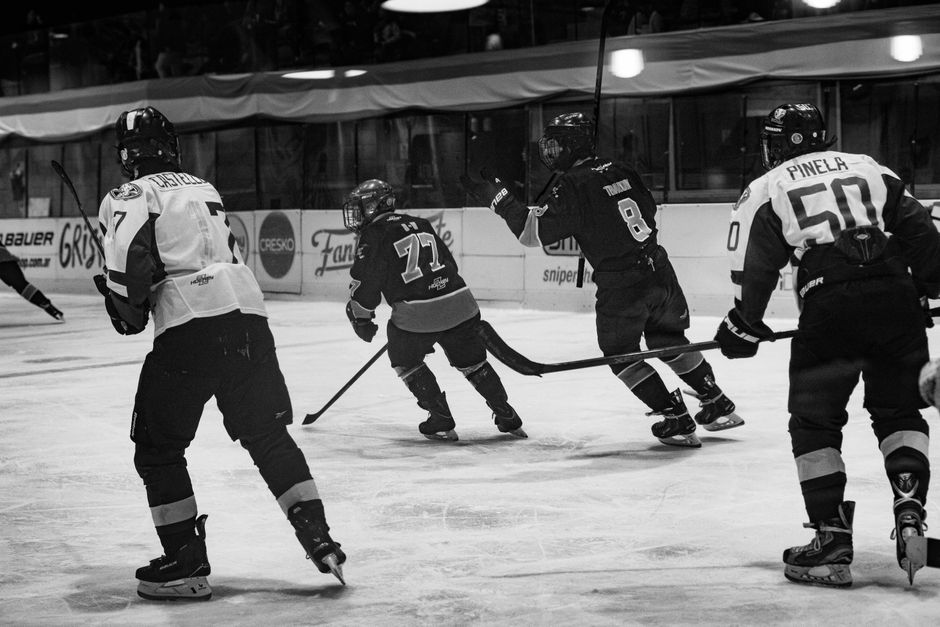
Here’s the ugly truth nobody wants to admit in the nostalgia-tinted documentaries. The NHL of the early nineties was an absolute slog. Games routinely dragged into 2-1 or 3-2 bore-fests where the neutral zone looked like the demilitarized zone. You didn’t need skating ability; you needed a strong forearm and a willingness to commit minor felonies behind the referee’s back. The 1994 work stoppage—which wiped out half the schedule and nearly killed the game in the United States—forced a reckoning. It didn’t fix everything overnight, but it opened the door for a structural evolution that changed how hockey was played, coached, and consumed forever.
- • The Death of the Neutral Zone Trap and the Clutch-and-Grab Era
- • How Tactical Evolution Outpaced the Old-School Enforcer
- • The Financial Domino Effect That Built the Modern NHL
- ↳ What caused the 1994-95 NHL lockout?
- ↳ How many games were played in the 1994-95 NHL season?
- ↳ Did the 1994 lockout introduce a salary cap?
- ↳ How did the style of play change immediately after the lockout?
Key Takeaways & Quick Overview
AI Verified
- ✔How hockey changed after the 1994 lockout (my historical look) i still remember the smell of stale popcorn and damp wool in the spectrum.
- ✔It was the winter of 1994, and instead of hearing the sweet symphony of skate blades chewing up fresh ice, the arenas were dead silent.
- ✔Millionaire players staring blankly at cameras.
- ✔I’ve covered sports for three decades now, and trust me on this: the 1994-95 nhl lockout didn’t just pause a season.
The Death of the Neutral Zone Trap and the Clutch-and-Grab Era
If you want to understand why hockey nearly choked to death on its own success post-1994, look at New Jersey Devils hockey under Jacques Lemaire. They perfected the neutral zone trap—a defensive gridlock designed to suffocate elite offensive talent. Mario Lemieux and Wayne Gretzky weren’t playing hockey; they were playing human pinball against four defenders standing blue-line to blue-line.
The owners wanted cost certainty with a salary cap back then, but the players pushed back. The resulting compromise saved the traditional economic model for a little while, but it unleashed a tactical monster. Because scoring plummeted, coaches leaned harder into the dark arts of clutching, grabbing, and interference. If you couldn’t skate with Pavel Bure, you simply hooked his waistline until he stopped moving. The league let it go because games stayed “close.”
Fans hated it. Ratings plummeted in the US markets that ESPN had worked so hard to build. Gary Bettman and the league office realized they were presiding over a dying dinosaur. The seeds of the 2004-05 nuclear option lockout were actually planted right here, in the tactical stagnation that followed the 94 resolution. According to historical records archived by the NHL collective bargaining history, the 104-day impasse fundamentally altered the power dynamic between labor and management, setting the stage for future structural overhauls.
How Tactical Evolution Outpaced the Old-School Enforcer
Before 1994, every team carried at least two guys whose primary job description was dental insurance fraud. You had designated policemen skating around for four minutes a night, looking for an excuse to drop the gloves. Teams justified it as “protecting the stars.”
But as the league scrambled to win back fans after the shortened 48-game season, general managers noticed something funny. The teams winning championships weren’t the ones with the heaviest penalty minutes. They were the ones adapting to a faster, more skilled style of play imported from Europe. Sweeps by the Detroit Red Wings—who loaded their roster with Russian maestros like Sergei Fedorov and Igor Larionov—exposed the lumbering North American style as obsolete.

I watched scouts completely rewrite their draft boards in the late nineties. The six-foot-four, 230-pound project player who couldn’t pivot on his edges suddenly became toxic assets. Skill became currency. If you couldn’t transition the puck out of your own zone within three seconds, you were a defensive liability.
To dive deeper into how front offices adapted their analytics and scouting philosophies, you can review exhibits and player metrics preserved in the hockey operations department archives. The transition was brutal for old-school lifers, but it created the hyper-athletic product we watch today.
The Financial Domino Effect That Built the Modern NHL
You cannot talk about the 1994 lockout without talking about money. The owners screamed about runaway salaries, particularly for rising European stars and elite Canadian icons. The 1994-95 settlement introduced the luxury tax concept (in a crude early form) and set the ideological battle lines for the absolute bloodbath of the 2004 cancellation.
Here is what the casual fan missed: financial desperation breeds innovation. When revenues flatlined after the lockout, small-market teams had to get creative. They couldn’t outspend the New York Rangers or Toronto Maple Leafs anymore. This forced franchises into better marketing, community engagement, and data-driven scouting. The Sun Belt expansion—which had its roots in the early nineties—survived precisely because the league was forced to look beyond its traditional Canadian and Northeastern US strongholds to find new revenue streams.
Did it hurt the traditionalists? Absolutely. Purists wept into their morning papers as franchises popped up in Phoenix, Miami, and San Jose. But without that geographic diversification and the subsequent stylistic changes designed to appeal to casual sports fans, the NHL would have stagnated into a regional niche sport.
Frequently Asked Questions
What caused the 1994-95 NHL lockout?
The lockout was primarily driven by team owners seeking a salary cap or luxury tax system to control spiraling player salaries, while the NHL Players’ Association vehemently opposed any form of economic restriction on player earnings.
How many games were played in the 1994-95 NHL season?
Due to the labor dispute and subsequent delayed start, the regular season was compressed from the traditional 84 games down to just 48 games per team, kicking off in January 1995.
Did the 1994 lockout introduce a salary cap?
No, not directly. While owners desperately wanted a cap, the players held firm. However, the bitter negotiations laid the groundwork for the ultimate implementation of a hard salary cap a decade later after the 2004-05 lockout.
How did the style of play change immediately after the lockout?
The immediate aftermath saw an increase in defensive system reliance—most notably the neutral zone trap—as teams fought for every inch in a compressed schedule, which ironically forced the league to eventually implement major rule changes a decade later.