My Guide to Understanding Goalie Tandems (when to Play Each)
I’ve watched hundreds of coaches completely botch the goalie tandem. They ride the hot hand until the wheels fall off, or they over-rotate based on some rigid pre-season schedule, destroying a guy’s rhythm. Let’s get one thing straight right out of the gate: managing two netminders isn’t about fairness. It’s about squeezing every last percentage point of save efficiency out of your roster. I’ve spent decades rinkside, freezing my toes off in community rinks and sweating in press boxes, watching brilliant coaches manage egos while dummies run good goalies right out of town. Here is the exact blueprint on how to read the signs, analyze the data, and know precisely when to play each guy.
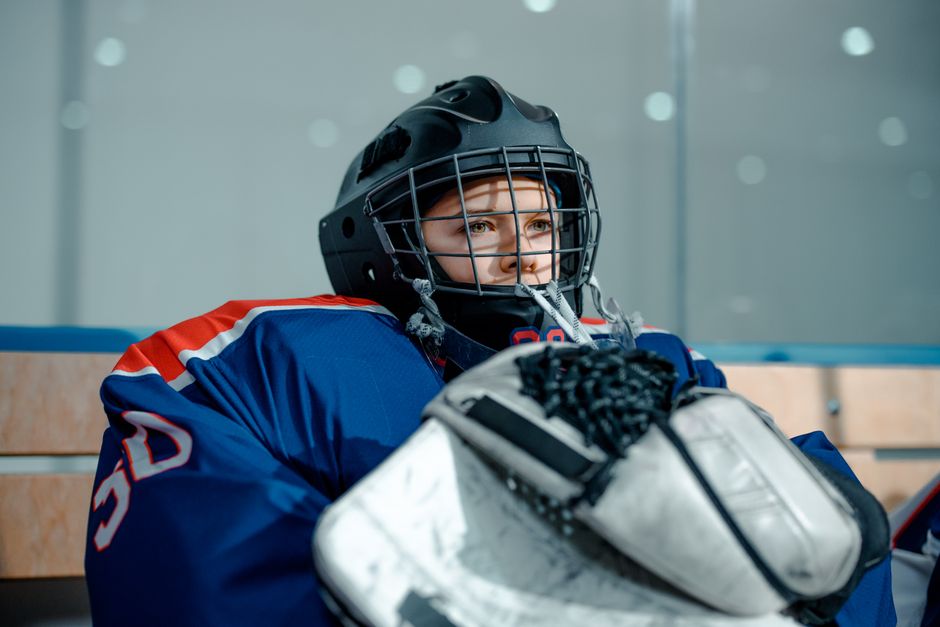
- • The Fallacy of the 50/50 Split
- • Reading the Physical and Mental Warning Signs
- • Tailoring Matchups: Style vs. Opponent
- • Managing the Egos in the Room
- ↳ Should I pull a starting goalie after giving up two early goals?
- ↳ How many games in a row can a modern starter play before dropping off?
- ↳ What do you do when both goalies are cold at the same time?
- ↳ Is it ever smart to alternate goalies strictly by home and away games?
Key Takeaways & Quick Overview
AI Verified
- ✔My guide to understanding goalie tandems (when to play each) i’ve watched hundreds of coaches completely botch the goalie tandem.
- ✔They ride the hot hand until the wheels fall off, or they over-rotate based on some rigid pre-season schedule, destroying a guy’s rhythm.
- ✔Let’s get one thing straight right out of the gate: managing two netminders isn’t about fairness.
- ✔It’s about squeezing every last percentage point of save efficiency out of your roster.
The Fallacy of the 50/50 Split
Forget the old-school hockey philosophy that says you need to give the backup every second game just to keep him happy. This isn’t peewee house league. If Goalie A has a .925 save percentage and Goalie B is sitting at .890, you don’t roll them out alternately just to keep the peace. Trust me on this: players respect winning way more than they respect equal playing time.
When you look at modern NHL goaltender tracking data, the traditional 1A/1B model has evolved. Teams aren’t just splitting games anymore; they’re deploying goalies based on matchup analytics, travel schedules, and historical performance against specific divisional opponents. You have to look at the granular metrics. High-danger save percentage matters infinitely more than overall save percentage. A guy can look like a Vezina candidate stopping 35 perimeter shots a night, but if he leaks weak goals on transition rushes, your defensive structure will slowly crumble in front of him.
Reading the Physical and Mental Warning Signs
Goalies are a strange breed. They carry the weight of the entire room on their shoulders, and they will almost never tell you they are tired. You have to read the body language. I’ve noticed a distinct shift in posture when a starter is hitting a fatigue wall. His tracking slows down by a fraction of a second. He’s dropping into his butterfly half a beat too early, leaving the top shelf exposed. That’s your trigger.
If you wait for the numbers to tank, you’ve already lost three games you should have stolen. Let’s look at the primary indicators that signal it is time to flip the script and throw your backup into the fire:
- Tracking Lag: The goalie is fighting the puck, making routine saves look like acrobatic desperation plays.
- Rebound Control Breakdown: Suddenly, pucks are sticking to his chest or blocker and kicking out into the slot instead of safely dying in the corners.
- Schedule Fatigue: Playing three games in four nights on the road? Even the elite guys start fighting exhaustion. That’s an automatic backup start, regardless of how much complaining the starter does.
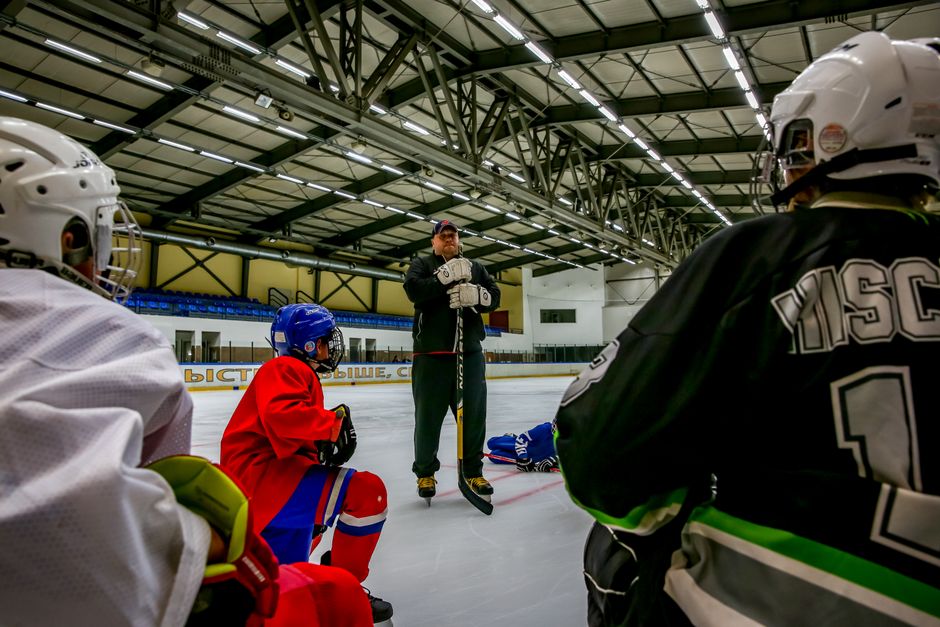
Tailoring Matchups: Style vs. Opponent
Here’s where most coaches drop the ball. They treat both goalies like interchangeable clones. They aren’t. Every netminder has distinct physical traits and geometric preferences based on their size and skating style.
Say you’ve got a towering, modern hybrid goalie who relies heavily on blocking depth, and a smaller, hyper-athletic reaction goalie who thrives on second-chance scrambles. You don’t play the big blocking style against a team like the Edmonton Oilers that moves the puck East-West with elite speed. That game requires supreme lateral mobility. You throw the athletic guy in. Conversely, if you’re facing a heavy, cycle-heavy team that shoots from the blue line through massive screens, you want the giant who covers the bottom of the net and swallows up vision.
According to various sports psychology research, visual anchoring and cognitive fatigue play massive roles in performance consistency. Goalies processing heavy traffic need their mental faculties completely fresh. If you mismatch your goalie’s stylistic strengths against an opponent’s offensive scheme, you are setting that kid up to fail before the opening puck drop.
Managing the Egos in the Room
Handling two guys who both want to be the undisputed alpha is a psychological tightrope walk. If you handle it poorly, you create a toxic divide in the locker room. The secret? Radical, brutal transparency.
I always tell coaches to pull both goaltenders into the office together—not separately—and lay out the roadmap. Tell them: “Here is why we are doing this. Here is the statistical threshold. You win, you stay in. You struggle, the other guy gets the net.” When the rules of engagement are crystal clear, paranoia disappears. There’s no whispering, no second-guessing the coach behind closed doors. The crease belongs to whoever earns it on any given week.
Frequently Asked Questions
Should I pull a starting goalie after giving up two early goals?
Rarely. Unless your starter is visibly fighting panic or dealing with an unacknowledged injury, pulling a guy too early destroys his confidence. Give him until the first intermission to reset. If the defensive structure in front of him is a dumpster fire, pulling the goalie just lets the skaters off the hook.
How many games in a row can a modern starter play before dropping off?
Most elite goaltenders hit a hard performance wall around the 4 to 5 games-in-a-row mark, especially during a compressed schedule with travel. Even if they win those games, their high-danger save percentages usually plummet due to cumulative fatigue.
What do you do when both goalies are cold at the same time?
That is the ultimate nightmare scenario. When both guys are leaking oil, you stop looking at stats entirely and lean on the mental wildcard. Pick the guy who historically handles adversity better, simplify your defensive zone coverage to give up zero high-danger chances for the first ten minutes, and let him make three easy saves to find his breathing room.
Is it ever smart to alternate goalies strictly by home and away games?
Only if you are coaching at a level where travel conditions and rest environments are identical—which is virtually nowhere outside of specific tournament formats. In any league with real travel, you play your better goalie in the tougher matchups, period. Saving your number-one guy for a guaranteed home win while throwing your backup to the wolves on a brutal road trip is a great way to lose both games.