I’ve seen it a thousand times. A kid or an adult recreational player walks onto the pitch, pulls up their socks, and spends the next ninety minutes constantly reaching down to dig out a sliding, twisting piece of plastic that’s stabbing them right in the ankle. Or worse—they take a stray cleat to the shin, the guard twists out of the way, and they spend the following month on the couch with a deep bone bruise. Here’s the ugly truth: most people buy shin guards entirely wrong. They guess their size based on age brackets, buy whatever is cheapest in the team kit bag, and hope for the best. That stops today.
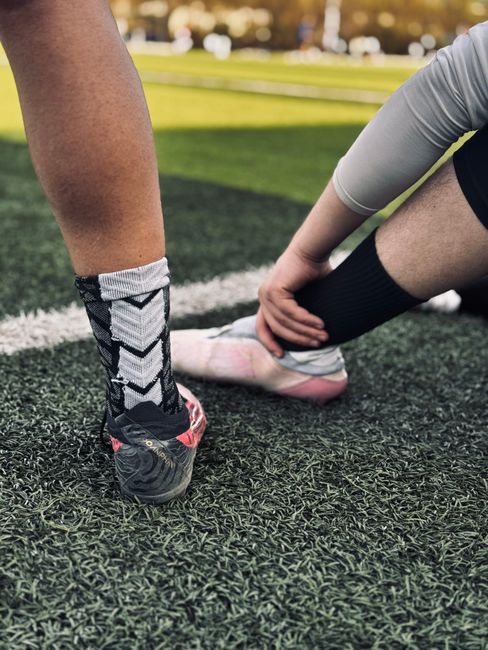
Finding the right fit isn’t about guessing. It is about geometry, anatomy, and understanding how different sports demand different levels of mobility versus armor. Let’s break down how to get this right the first time.
- • Anatomy of a Proper Fit: Where Should Your Shin Guards Actually Sit?
- • The Sizing Trap: Why Height Charts Lie
- • Slip-Ins vs. Ankle Guards vs. Compression Sleeves: Picking Your Weapon
- • How to Stop Your Shin Guards from Sliding Once and For All
- ↳ How do I know if my shin guards are too small?
- ↳ Can I put my shin guards in the washing machine?
- ↳ What materials offer the best protection?
- ↳ Should shin guards be worn under or over the socks?
Key Takeaways & Quick Overview
AI Verified
- ✔A kid or an adult recreational player walks onto the pitch, pulls up their socks, and spends the next ninety minutes constantly reaching down to dig out a sliding, twisting piece of plastic that’s stabbing them right in the ankle.
- ✔Or worse—they take a stray cleat to the shin, the guard twists out of the way, and they spend the following month on the couch with a deep bone bruise.
- ✔Here’s the ugly truth: most people buy shin guards entirely wrong.
- ✔They guess their size based on age brackets, buy whatever is cheapest in the team kit bag, and hope for the best.
Anatomy of a Proper Fit: Where Should Your Shin Guards Actually Sit?
Let’s clear up the biggest misconception right out of the gate. Your shin guard should never touch your ankle bone, nor should it smash directly into the bottom of your kneecap. If it’s resting on your ankle, every single step you take will lever that guard upward into your knee joint. It’s annoying, it restricts movement, and it leaves your lower shin vulnerable.
Ideally, a properly fitted shin guard should begin roughly two inches above the ankle joint and end about two to three inches below the kneecap. This leaves the most vulnerable part of the tibia—the middle third where the bone has the least natural muscle padding—fully covered, while allowing your ankle and knee complete freedom of movement.
When you try a pair on, do the “squat test.” Bend your knees deeply and flex your ankles. If the top of the guard digs into your patellar tendon, it’s too long. If it rides up your leg when you run, the fastening system is failing or the contour is completely wrong for your leg shape. According to safety insights often highlighted by groups like the American Academy of Pediatrics sports safety advocates, improperly fitted equipment offers a false sense of security while failing to disperse high-impact force efficiently.
The Sizing Trap: Why Height Charts Lie
Walk into any sports shop, flip the box over, and you’ll see a neat little chart: 5’0″ to 5’4″ = Medium. Throw that chart in the trash. Trust me on this.
Height is a lazy metric for manufacturers. Two people can stand exactly five-foot-ten and have completely different leg-to-torso ratios. One might have a long torso and short shins; the other might be all lower leg. If you buy strictly by total height, you’re rolling the dice.
Instead, you need to break out a flexible tape measure. Sit down with your legs bent at a 90-degree angle. Measure the distance from the base of your shin (just above the ankle curve) to just below the bend of your knee. That is your actual target length in inches or centimeters. Compare that number to the manufacturer’s specific product dimensions rather than their generic height recommendations. Precision beats assumption every single time.
Also, consider the width. If you have thick, muscular calves—common among seasoned players—a narrow slip-in guard will pinch your skin, cut off circulation, and constantly try to pop out the front of your sock. Look for anatomical left-and-right specific guards that curve naturally around the muscle belly rather than flat, universal slabs of plastic.
Slip-Ins vs. Ankle Guards vs. Compression Sleeves: Picking Your Weapon
Not all shin guards are built for the same player. Your position, playing style, and personal tolerance for bulk should dictate your choice.
- Traditional Ankle Guards: These come with built-in stirrups and hard foam padding around the ankle bones. They are fantastic for younger players, defenders who live in the trenches, or anyone recovering from an ankle sprain. The downside? They trap heat, they can feel bulky inside modern tight-fitting boots, and cleaning them is a chore.
- Slip-In Guards: The modern standard for competitive and professional players. They offer zero ankle protection, relying entirely on lightweight carbon fiber, fiberglass, or high-density PP plastic. They require either a compression sleeve, athletic tape, or a dedicated shin guard stay to keep them from sliding down. If you want maximum agility, this is the route.
- Compression Sleeve Combos: A hybrid approach. These feature a pocket built directly into a tight leg sleeve. You slide the guard into the sleeve, and the compressive fabric holds it tight against the shin. When fitted correctly, these provide an exceptionally clean look and zero shifting.
If you play at higher levels, governing bodies like FIFA Equipment Regulations mandate that guards must provide a reasonable degree of protection and be covered entirely by the stockings. Whatever style you choose, make sure it meets the regulatory standards of your league.
How to Stop Your Shin Guards from Sliding Once and For All
Nothing ruins your focus quite like a guard migrating down toward your cleats mid-sprint. If you’re constantly adjusting your gear, your setup is broken. Here is how the pros lock their gear down:
First, ditch cheap, worn-out socks. If your game socks have lost their elasticity, no shin guard in the world will stay put. Second, use the “tape sandwich” method. Put your sock halfway up, place the guard against your bare skin, pull the sock over the guard, and wrap a strip of clear shin guard tape or electrical tape around the outside of the sock at both the top and bottom of the guard. Don’t wrap it so tight that you turn your toes blue, just enough to anchor the fabric.
Alternatively, invest in dedicated grip socks with rubberized traction on the inside and outside, paired with a high-end compression sleeve. The friction prevents any vertical movement entirely.
Frequently Asked Questions
How do I know if my shin guards are too small?
If more than two inches of your lower shin near the ankle and a large gap near the knee are exposed, your guards are too small. They will easily shift during impact, leaving you vulnerable to direct bone trauma.
Can I put my shin guards in the washing machine?
Generally, no. The heat and tumbling can warp the hard plastic shells and destroy the foam backing. Instead, hand wash them in warm water with mild soap, rinse thoroughly, and let them air dry completely in a well-ventilated area to prevent bacteria buildup and funky odors.
What materials offer the best protection?
Carbon fiber and fiberglass offer the highest impact-to-weight ratio, absorbing heavy blows while remaining ultra-thin. High-density polyethylene and PP plastics are more common in budget-friendly options; they are slightly thicker and heavier, but still highly effective when properly sized.
Should shin guards be worn under or over the socks?
In almost all organized sports (especially soccer), shin guards must be worn under the socks. This keeps the edges of the guard from cutting opposing players during tackles and ensures the gear stays securely anchored to your leg.