I’ve scraped the paint off my visor more times than I care to admit. Skated headfirst into plexiglass at top speed. Taken slappers right off the ear guard. And you know what the common denominator was in every single one of those skull-rattling moments? My bucket. Most players treat a hockey helmet like an afterthought—something you slap on your head because the ref yells at you if you don’t. That is a massive mistake. Concussions don’t care how fast your wrister is. They care about linear and rotational force management. After spending twenty years dodging body checks in adult beer leagues and youth travel teams, I’ve torn apart, sweated through, and crashed in almost every lid on the market. Let’s cut through the marketing fluff and look at the best hockey helmets for protection and comfort right now.
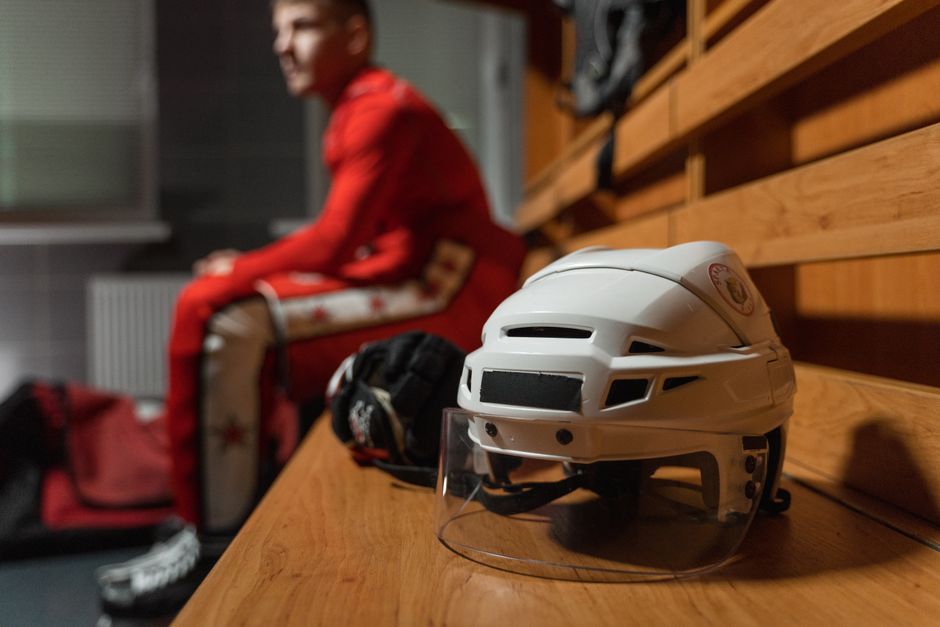
Here’s the ugly truth: a $300 helmet won’t protect you if it doesn’t fit your specific skull shape. Bauer, CCM, and Warrior all engineer their shells differently. Some fit round heads, some fit oval heads, and some require you to carry a screwdriver everywhere you go just to keep the sides from squeezing your temples into a migraine. Trust me on this, read NOCSAE concussion research before you drop your hard-earned cash on a piece of plastic just because your favorite NHL sniper wears it.
- • What Makes a Helmet Actually Safe? (Spoiler: It’s Not Just the Price Tag)
- • My Top 5 Hockey Helmets for Protection and Comfort
- ↳ 1. Bauer Re-Akt 150: The King of Custom Fit
- ↳ 2. CCM Super Tacks X: The 3D-Printed Marvel
- ↳ 3. Bauer Re-Akt 85: The Sweet Spot Value Pick
- ↳ 4. CCM Tacks 710: The Traditionalist’s Choice
- ↳ 5. Warrior Alpha One Pro: The Tank
- • How to Choose the Right Bucket for Your Head
- ↳ When should I replace my hockey helmet?
- ↳ Can I wash my hockey helmet liner?
- ↳ Do more expensive helmets prevent concussions completely?
- ↳ Should I buy a combo with a cage/visor included?
Key Takeaways & Quick Overview
AI Verified
- ✔I’ve scraped the paint off my visor more times than i care to admit.
- ✔Skated headfirst into plexiglass at top speed.
- ✔Taken slappers right off the ear guard.
- ✔And you know what the common denominator was in every single one of those skull-rattling moments? my bucket.
What Makes a Helmet Actually Safe? (Spoiler: It’s Not Just the Price Tag)
When evaluating modern lids, I look past the sleek paint jobs and colorful decals. I look at the foam. We’ve come a long way from the old-school single-density yellow foam that basically felt like packing peanuts. Today, manufacturers are using advanced materials like Poron XRD, VN foams, and 3D-printed lattices designed to absorb heavy impacts.
Let’s talk standards. Every legal helmet needs to meet HECC safety standards. But meeting the bare minimum standard isn’t enough if you’re taking heavy body contact or playing at a high-speed level. You need something that handles multi-impact scenarios. Your brain floats inside your skull. When you hit the ice, your skull stops; your brain doesn’t. The best helmets mitigate that rotational acceleration. Period.
My Top 5 Hockey Helmets for Protection and Comfort
I didn’t test these in a lab. I tested them on sweaty Tuesday night skates where guys play like it’s Game 7 of the Stanley Cup Finals. Here are my top five picks.
1. Bauer Re-Akt 150: The King of Custom Fit
If you hate pressure points, stop reading and buy this one. The Bauer Re-Akt 150 features a “FreeForm Adjustment System” that allows width and length adjustments independently. Most helmets only let you lengthen them. This one expands outward, too. It feels like it was custom-molded to my head. Inside, they use XRD Foam for elite impact management. It’s light, it breathes well, and comfort-wise, it’s practically unmatched.
2. CCM Super Tacks X: The 3D-Printed Marvel
CCM took a massive swing with the Super Tacks X, and it paid off. Instead of traditional foam lining the top, it uses a Nest Tech 3D-printed matrix. Why does this matter? Airflow. Your head stays remarkably cool because heat isn’t getting trapped by dense blocks of foam. In terms of impact absorption, that lattice structure is brilliant at dispersing energy across multiple vectors. It comes with a hefty price tag, but can you really put a budget on your cognitive function?
3. Bauer Re-Akt 85: The Sweet Spot Value Pick
Not everyone wants to spend mortgage-level money on a helmet. Enter the Bauer Re-Akt 85. It borrows heavily from the top-tier technology found in the 150 model but scales the price back to reality. It features Thermocore Zero liner management to stop sweat from dripping into your eyes—a minor detail that matters immensely when you’re caught on a long shift. The wrap-around fit is secure, and it meets every high-end safety metric without breaking the bank.
4. CCM Tacks 710: The Traditionalist’s Choice
Some players despise the feel of high-tech gel or honeycomb pads. They want classic comfort. The CCM Tacks 710 uses I.Q.SHION foam, which provides a plush, pillow-like feel right out of the box. It offers a fluid fit that molds to your head shape quickly. It feels solid, sits low on the brow line where it should, and gives you that old-school confidence with modern multi-impact certifications.
5. Warrior Alpha One Pro: The Tank
Warrior built the Alpha One Pro like a fortress. The Omnishock+ system focuses heavily on safety limits regarding both direct and glancing blows. When you hold it, it feels rigid and robust. The True One Pro Shell is a one-piece high-density plastic that doesn’t feel flimsy anywhere. Is it slightly heavier than the Super Tacks X? Yes. Do you feel completely invincible wearing it? Absolutely.
How to Choose the Right Bucket for Your Head
Stop guessing your size. Grab a soft tape measure, wrap it around your head about an inch above your eyebrows, and check the manufacturer’s sizing chart. If you’re right on the border between a Medium and a Large, try them on in person if you can. Never buy a helmet that pinches the sides of your head. A slight snugness is fine, but a pressure point will turn into a blinding headache by the second period.
Also, check the hardware. If your helmet requires a screwdriver to adjust, make sure you keep one in your hockey bag. If you rock a tool-free adjustment system like the Bauer Re-Akt line, make sure the clips lock down firmly before every single skate.
Frequently Asked Questions
When should I replace my hockey helmet?
Look for the HECC expiration sticker, which is usually stamped with a date about 6.5 years from the manufacture date. However, if you take a massive, violent blow to the head—crack—where the shell visibly fractures or the internal foam separates, replace it immediately, regardless of the date.
Can I wash my hockey helmet liner?
Please do. Your teammates will thank you. Most modern liners can be wiped down with a mild soap and warm water solution, or a specialized sports equipment cleaner. Never submerge helmets in boiling water or throw them in the washing machine, as extreme heat degrades the protective integrity of the plastics and foams.
Do more expensive helmets prevent concussions completely?
No helmet on Earth is 100% concussion-proof. Concussions happen when the brain moves inside the skull due to sudden acceleration or deceleration, which can happen even from hits to the chest or body. High-end helmets mitigate and reduce the severity of rotational and linear forces, but safe playing habits and keeping your head up are still your best defense.
Should I buy a combo with a cage/visor included?
If buying a separate cage or bubble cuts into your budget, buying a pre-packaged combo is a great way to save a few bucks. Just make sure the cage fits the chin cup snugly. If the chin cup floats too low, the helmet won’t stay anchored properly during a collision.